

Birdwatching on Amelia Island brings together beaches, marshes, and forests, with four standout hotspots offering year-round sightings, seasonal migrations, and easy access for all levels.
Birdwatching on Amelia Island isn’t a niche pastime reserved for serious listers with tripods and life lists. It’s accessible to anyone and doesn’t take much effort, thanks to the abundance of birds that show up here in impressive numbers and the island’s location at a crossroads of habitats, including beaches, dunes, salt marshes, maritime forests, and freshwater ponds.
If you’re interested in engaging in this delightful outdoor activity while on Amelia Island, four nearby locations consistently rank among Florida’s top 100 eBird hotspots, putting this corner of Northeast Florida firmly on the radar for birders across the state and beyond.
At Stay Better Vacations, we offer a handpicked collection of vacation rentals across Amelia Island and the charming town of St. Marys, Georgia. From relaxed beachfront stays to homes close to history and local flavor, plus plenty of pet-friendly options, it’s easy to find a place that fits the way you want to travel. Planning an Amelia Island escape and looking for tips? Visit our travel blog, where our local experts share curated guides on vacationing with dogs, biking around Amelia Island, top annual events, and more.
In this blog post, I’ll guide you through four of the best birdwatching spots on and near Amelia Island, with tips on what you’ll see, when to go, and how to make the most of birding in the region.
TL;DR: Birdwatching on Amelia Island
- Fort Clinch State Park: A top-tier birding destination with diverse habitats, offering the widest species variety and excellent year-round sightings.
- Spoonbill Pond (Big Talbot Island State Park): An open, easy-to-observe pond known for wading birds, especially roseate spoonbills, with reliable activity throughout the day.
- Little Talbot Island State Park: A quieter, more undeveloped landscape where birds behave naturally, ideal for patient observation and photography.
- Huguenot Memorial Park: A dynamic meeting point of river and ocean habitats, delivering high species counts that shift dramatically with the tides.
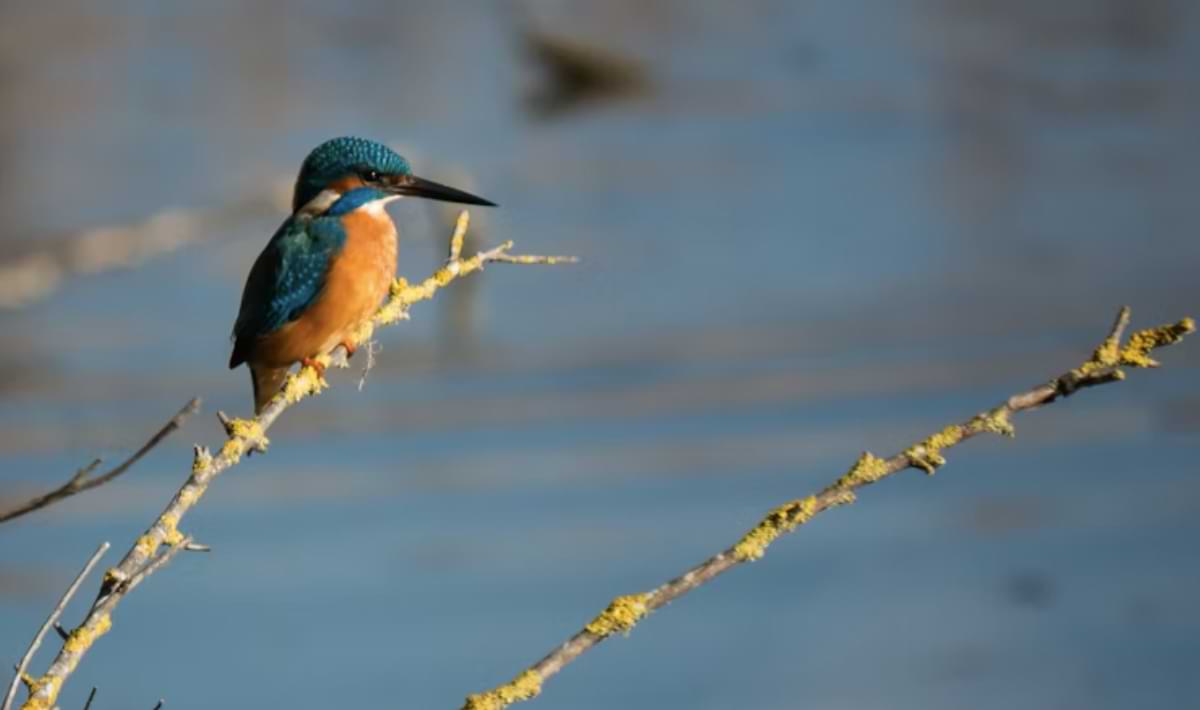
Why Amelia Island Is Such a Strong Birding Destination
Birdwatching tends to thrive where habitats overlap, and Amelia Island offers plenty of that. In a single morning, you can move from tidal flats to pine forests, from freshwater ponds to open dunes, all without much effort.
Seasonality also plays a big role. Spring and fall migrations bring waves of songbirds; summer is all about nesting shorebirds and waders; and winter draws waterfowl and raptors escaping colder climates.
Add in well-maintained parks, walkable trails, and easy access, and birding here becomes less about planning and more about paying attention.
1. Fort Clinch State Park
Why it stands out
Fort Clinch isn’t just one of the best birding spots on Amelia Island; it’s one of the best in Florida. With more than 240 recorded species, it consistently ranks among the state’s top eBird hotspots.
What makes it special
The park spans more than 1,400 acres and includes beaches, dunes, salt marshes, maritime hammock, and freshwater areas. That diversity means you can spot very different species within a short walk.
What you might see
- Woodpeckers, warblers, wrens, vireos, and thrushes in wooded areas.
- Ospreys, hawks, and occasional bald eagles overhead.
- Wading birds and shorebirds along marsh edges and the river.
- Seasonal migrants during spring and fall.
Best time to go
Early morning is ideal, especially during migration seasons. Cooler months are excellent for raptors and wintering birds.
Local tip
Walk slowly and listen as much as you look. Many songbirds reveal themselves by sound long before you spot them in the canopy.
2. Spoonbill Pond
Why it stands out
Spoonbill Pond is one of the best places in the region to see large wading birds up close, including its namesake, the roseate spoonbill.
What makes it special
This shallow saltwater pond is rich in marine life, which attracts feeding birds throughout the day. The open setting makes it beginner-friendly; you don’t need to search hard to see activity.
What you might see
- Roseate spoonbills sweeping their bills through the water.
- Great egrets, snowy egrets, and herons.
- Shorebirds feeding along the edges.
- Ospreys and pelicans nearby.
Best time to go
Low tide often concentrates birds near the pond edges. Morning light is best for photography.
Local tip
Bring binoculars or a camera, but also take a moment to just watch feeding behavior; it’s one of the most engaging aspects of birding here.
3. Little Talbot Island State Park
Why it stands out
Little Talbot feels wild and undeveloped, which makes it perfect for observing birds that prefer quieter, less trafficked spaces.
What makes it special
The park combines beaches, dunes, marshes, and forests in a relatively compact area. Birds here behave more naturally, making it a favorite among photographers and patient observers.
What you might see
- Shorebirds like plovers, willets, and ruddy turnstones.
- Brown pelicans cruising the surf.
- Songbirds and raptors inland.
- Seasonal migrants passing through.
Best time to go
Early morning or late afternoon, especially along the shoreline during low tide.
Local tip
Wind can pick up here. A light jacket and lens cloth go a long way.
4. Huguenot Memorial Park
Why it stands out
This is a spot that regularly surprises birders with its species count, often exceeding 250 recorded species, making it one of the richest sites in the area.
What makes it special
Where the river meets the ocean, habitats overlap dramatically. Mudflats, dunes, and tidal zones attract an ever-changing mix of birds.
What you might see
- Shorebirds feeding along exposed flats.
- Pelicans and terns fishing offshore.
- Raptors scanning the shoreline.
- Large mixed flocks during migration.
Best time to go
Tide timing matters here. Low tide exposes feeding areas and draws birds closer.
Local tip
Check tide charts before visiting. The difference between high and low tide can completely change what you see.
Birdwatching Tips for Amelia Island
When to Go
- Early morning is best for activity and light.
- Low tide is ideal for shorebirds.
- Spring and fall bring the most variety.
What to Bring
- Binoculars (even a basic pair helps).
- Sunscreen and water.
- Comfortable walking shoes.
- A field guide or birding app.
How to Bird Responsibly
- Keep a distance from nesting or feeding birds.
- Stay on marked trails.
- Avoid sudden movements or loud noises.
- Never feed wildlife.
Birding With Kids and Beginners
Birdwatching on Amelia Island is especially family-friendly. Many of the birds here are big, colorful, and active, which makes them easy and fun to spot.
Here are some ideas to keep it engaging:
- Turning spotting into a scavenger hunt.
- Letting kids lead the walk.
- Focusing on behavior rather than names.
FAQ: Birdwatching on Amelia Island
1. Is Amelia Island good for birdwatching year-round?
Yes. Birding on Amelia Island is strong throughout the year thanks to its mix of coastal and inland habitats. Winter brings waterfowl and raptors, spring and fall feature migratory songbirds, and summer highlights nesting shorebirds and wading birds.
2. What’s the best time of day to go birdwatching?
Early morning is generally best, when birds are most active, and temperatures are cooler. For shoreline birding, timing your visit around low tide can significantly improve sightings.
3. Do I need binoculars to enjoy birdwatching here?
Binoculars enhance the experience, especially for distant or smaller birds, but they’re not required. Many species—pelicans, spoonbills, herons, ospreys—are easily visible with the naked eye.
4. Are these birding spots suitable for beginners?
Absolutely. Several locations, especially Spoonbill Pond and Fort Clinch, offer open views and frequent activity, making them ideal for first-time birdwatchers.
5. Is birdwatching family-friendly?
Yes. Amelia Island’s birding areas have flat trails, open sightlines, and plenty of visual interest for kids. Turning birding into a game, spotting colors, sizes, or behaviors, works especially well for younger visitors.
6. When is migration season on Amelia Island?
Spring migration typically peaks from March to May, while fall migration runs from September through November. These periods offer the greatest variety of species in a short time.
7. Are guided birding tours available?
Some resorts, nature centers, and local organizations periodically offer guided nature or birding walks, especially during peak seasons. Availability varies by time of year, so checking locally is recommended.
8. What should I wear or bring?
Comfortable walking shoes, sun protection, water, and insect repellent are helpful. Lightweight layers are useful in cooler months, especially for early morning outings.
9. Can I combine birdwatching with other activities?
Yes. Many birding spots are also great for walking, biking, photography, kayaking, or picnicking, making it easy to blend birdwatching into a broader day outdoors.
10. How can visitors help protect bird habitats?
Staying on marked trails, keeping distance from nesting or feeding birds, avoiding loud noise, and leaving no trace all help protect the habitats that make Amelia Island such a strong birding destination.
Make Your Trip to Amelia Island Even Better
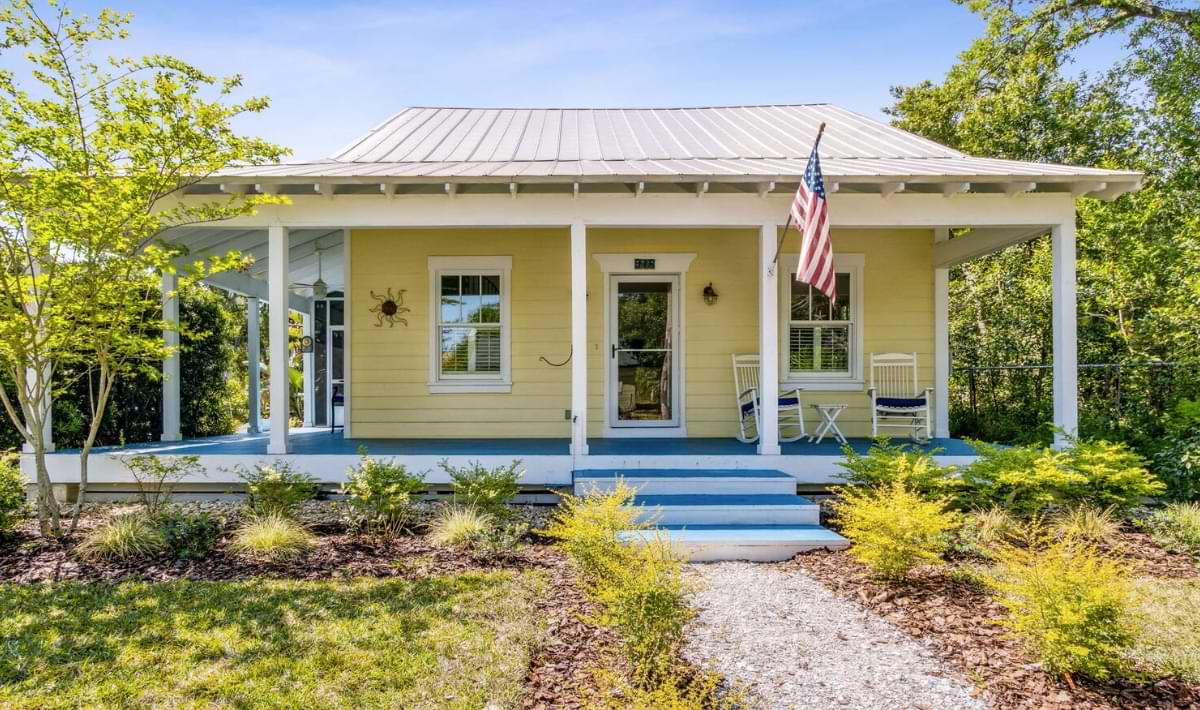
Specializing in boutique-style service, Stay Better Vacations offers thoughtfully curated vacation rentals across Amelia Island, Florida, and St. Marys, Georgia. As a locally owned, women-operated company, we focus on warm Southern hospitality and stays that feel personal, relaxed, and easy. Get ready for beach days, coastal adventures, and time well spent with family or friends. Traveling with a pup? Select pet-friendly vacation rentals make it simple to include every member of the crew.